What Does It Take to Get Into an Art Gallery
vi Art Gallery Essentials for Artists
Whether yous've decided to take the first steps in getting your work shown in an art gallery or yous're an established creative person looking to expand your presence into new cities, understanding the fundamentals for how an art gallery selects its artists is essential.
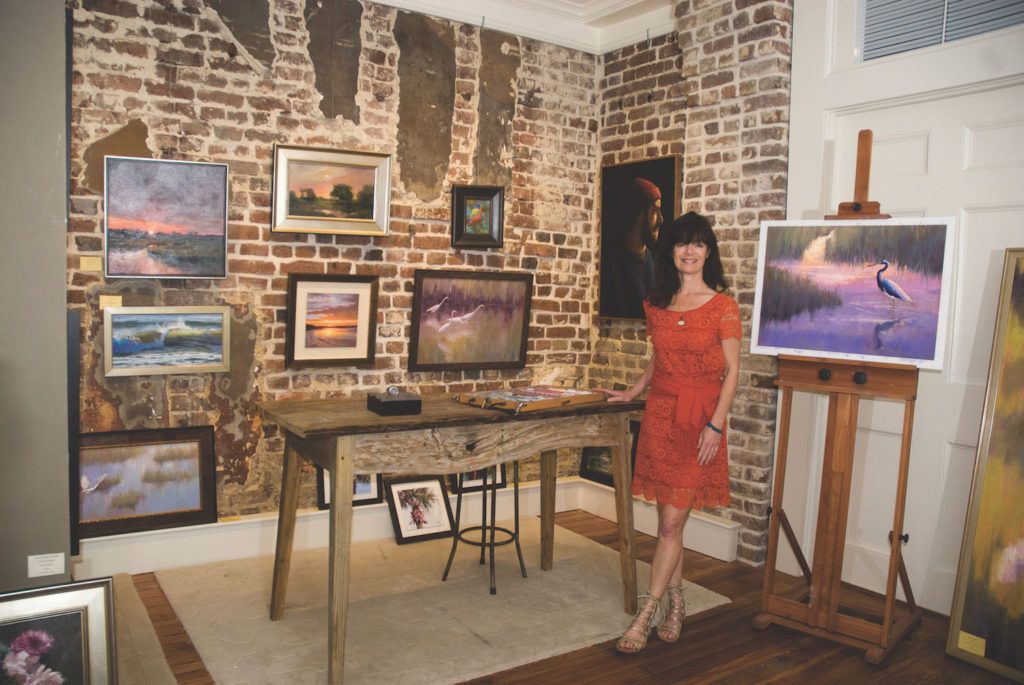
As both a gallery owner and an artist in one of the about vibrant fine art cities in the U.Due south. — Charleston, S Carolina — Cecilia Murray knows a thing or two well-nigh getting art shown at galleries. Below, she breaks down critical steps artists should take earlier seeking out potential representation. Enjoy!
1. Offering a Unique Artistic Vision
Ane of the starting time things I expect for in a prospective artist is a substantial and consistent body of work with a distinct signal of view and management. I'm looking for someone with a clearly adult style and approach, whether information technology'due south an intriguing choice of bailiwick, composition, palette, surface texture or lighting. To prepare yourself apart from other artists, present a unique, heady body of work that demands attention. How? Build and refine your creative vision, and consider your electric current trunk of piece of work. Focus on the subject matter that incites the most enthusiasm. The subjects that almost excite you likely will inspire your best paintings, which will, in turn, best engage viewers. Focus your thoughts and immerse yourself in one genre. This will brand building a cohesive, interesting body of work much easier.
2. Be Your Own Toughest Critic
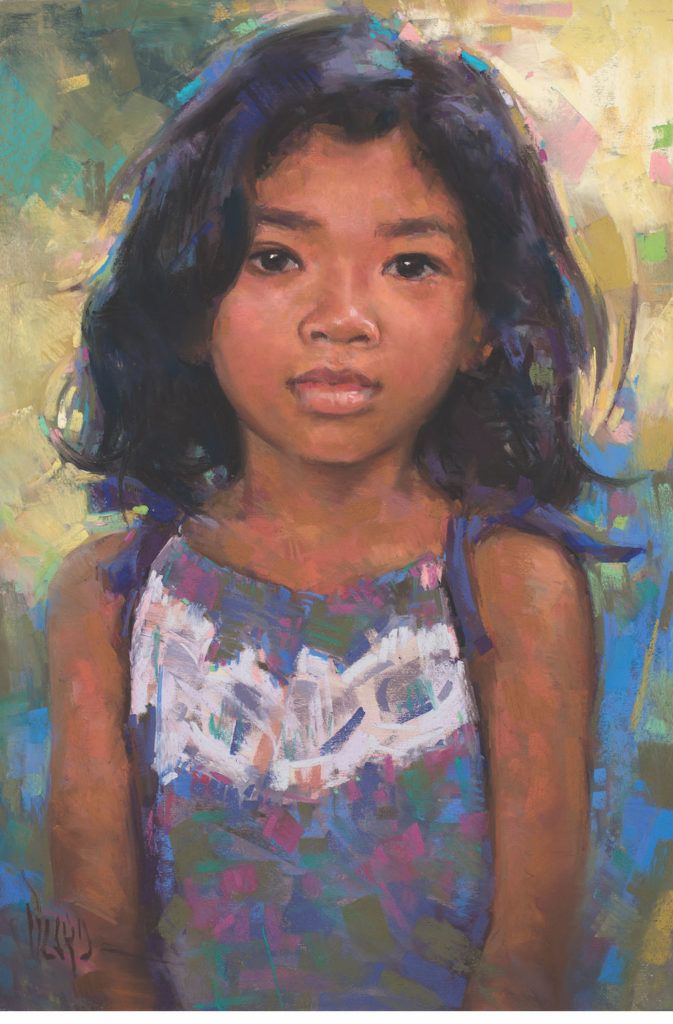
Look at established artists' websites and social media accounts, similar Instagram. Note how, even when viewed as a thumbnail, successful artists nowadays a well-designed collection of work, with a wonderful sense of lite and a beautiful palette. Now, wait at your work as a collection. Do you have at least 2-dozen paintings that concord together as a single body of piece of work? If at that place'southward room in your abode or studio, I propose hanging several paintings on one wall, as if they were in an art gallery, in order to evaluate. Ask yourself what it is about your work that's unique. Are your landscapes more textured and assuming, or perhaps more tonal in palette than others y'all've seen? Are your portraits painted from life, and overflowing with emotion and low-cal? Is your piece of work more subtle and moody than other still lifes you've seen? If you're unsure of the answers to questions like these, ask beau artists for feedback, and challenge yourself to push a little further into your subject matter. Many artists and galleries offer portfolio critiques. These are good investments in gaining an impartial perspective on your work. Another constructive way to appraise your own piece of work is to consider the answer to these questions: What's the message I desire to transport every bit an artist? If I had to describe my work in ane sentence, what would it be? A wildlife artist represented in my gallery states, "I enjoy using color and texture to express the unique personality of each animal, whether it be a scrap of sass or a touch of goofiness." This is an artist who has edited and refined her creative vision. That statement is a reflection of the wonderful, colorful birds she paints. She has a strong, consequent bulletin.

3. Highlight Your Best Piece of work
In my seminar on approaching galleries, I highly recommend editing your collection down to its strongest works. In all likelihood, unless y'all're quite well established, an fine art gallery won't carry more than than one genre of your work at the beginning of your partnership. For example, if y'all're most passionate about portraits and nonetheless lifes, don't include landscapes and wildlife — even if you paint them occasionally — in your presentation to a gallery. Only the paintings that best represent your vision and passion equally an artist should be visible on your website. Similarly, if you savor painting seascapes but don't plan to present them to a gallery, take them off your website and social media platforms. Since growth as an creative person is natural, should an earlier work no longer represent your current accomplishments, I recommend removing it. Paintings that are decades former may still exist relevant to your current work, but if they're not, my motto is, "Promote the best, hide the rest."

4. Consider Location
Does your work accept specific regional, national or international appeal? Cityscapes of iconic locations in New York, Paris and Florence will appeal to most clients, regardless of location. But if you lot pigment local landscapes, your work is more than likely to be successful when represented by galleries in your expanse. I recently worked with an creative person who lives on the Northeast Coast. Nevertheless, her almost inspired, dramatic and impressive work stems from the time she has spent in the mountainous regions of New England. I proposed that she'd do well to return to the mountains to seek representation until she'd built upward a larger portfolio of work inspired past the coast. Fifty-fifty if your work isn't location specific, you'll still demand to research the region where yous're seeking gallery representation. Natural light, local color and interior design vary greatly when you motility beyond the country. Your success in a new region may be as elementary every bit a slight shift in colour palette. For instance, I admired the work of a Utah artist who was seeking representation in my gallery on the Southward Carolina coast. While her avian subjects would fit in nicely with my expanse's local fauna, her color palette was quite earthy. Though perfect for a mount dwelling house, it was not advisable for the majority of coastal homes in S Carolina. A modest shift to a slightly lighter and bluer background could be her key to successful painting sales in my part of the country.

v. Let Your Creative Vision Shine
As you create a body of work in training for representation, take note of these three points: Focus on your inspiration, edit your piece of work to its strongest pieces and e'er go along in heed the message you want to send every bit an artist, both online and in person. If you create your own unique, exciting and iconic artwork, your bulletin will shine through.

6. Get More Exposure
In improver to fine art gallery representation, a great way to garner more exposure as an creative person is through art competitions. Entering fine art contests and competitions elevates an artist's visibility within the art globe. And, winning a competition also tin increment an artist's confidence in his or her piece of work. Both of these points assistance artists prepare for open up calls often held past art galleries. What'southward more than, the prizes include greenbacks, publication in worldwide art magazines or books, and admission to judges who are influencers in the art globe — and sometimes exhibitions of piece of work. Prepare to start entering fine art competitions? Check out this free guide on how to enter art contests. And so peruse the openfine art competitions held by Artists Network, including the Artists Mag Annual Art Competition, which includes a Grand Prize retreat to Tuscany, Italian republic for rejuvenation, inspiration and art-making! Onward, artists! A version of this commodity, written by Cecilia Murray, was featured in Pastel Journal. Subscribe now to never miss out on the latest result.
Source: https://www.artistsnetwork.com/art-business/steps-art-gallery-representation/
0 Response to "What Does It Take to Get Into an Art Gallery"
Post a Comment